Mohta Cement Pvt. Ltd. – OPC and PPC Cement Manufacturer

Mohta Cement Pvt. Ltd. is one of the reputed industry of cement manufacturers and supplied all over India.

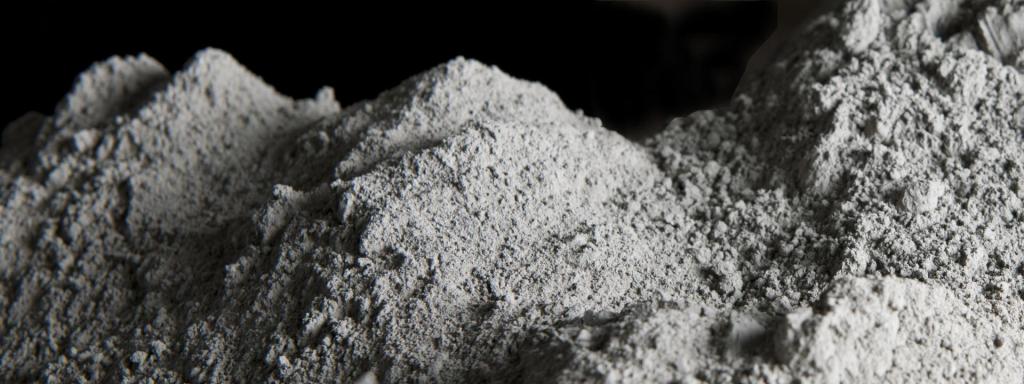
Cement is a mixture of compounds consisting mainly of silicates and aluminates of calcium formed out of silica, calcium oxide, aluminum oxide and iron oxide. We can state that cement is a hydraulic material made by finely grinding clinker (produced by burning a mixture of iron, calcium, aluminium and silica containing materials) together with Gypsum and other additives such as slag, pozzolana and fly ash.

In other words, Cement is an adhesive that is used to bind sand and aggregates to make concrete, the most versatile of building materials. Cement is manufactured by blending calcium, silicon, aluminum, iron and other ingredients (typically limestone, shale and clays) in a thermo chemical reaction to produce clinker, which is then ground to a fine powder (microns) and mixed with ground gypsum and other additives to make cement.

OPC and PPC Cement Manufacturing by Mohta Cement Pvt. Ltd

Mohta Cement Pvt. Ltd is one of the leading manufacturer and supplier of OPC Cement and PPC Cement.

(OPC) Ordinary Portland cement: –

Cement is prepared by heating limestone with small quantities of other materials (such as clay shells, silica and sand) to 1450°C in a kiln. The resulting hard substance, called ‘clinker’, is then ground with a small amount of gypsum into a powder to make ‘cement’ the most commonly used type of cement. This cement is called Ordinary Portland Cement.

It is the most common cement used in general concrete construction when there is no exposure to sulphates in the soil or groundwater.OPC is the most common type of cement in general use around the world, used as a basic ingredient of concrete, mortar, stucco, and most non-specialty grout.

Portland Pozzolana Cement (PPC)

Portland Pozzolana Cement also commonly known as PPC cement. These types of cement are manufactured by using pozzolanic materials as one of the main ingredient. This Cement is a kind of Blended Cement which is produced by either inter grinding of OPC clinker along with gypsum and pozzolanic materials in certain proportions or grinding the OPC clinker, gypsum and Pozzolanic materials separately and thoroughly blending them in certain proportions.

Difference between OPC and PPC Cement & Uses Are –

  • Portland Pozzolana Cement is a variation of Ordinary Portland Cement. Pozzolana materials namely fly ash, volcanic ash, are added to the OPC so that it becomes PPC. Pozzolana materials are added to the cement in the ratio of 15% to 35% by weight.
  • Both are ecofriendly materials but Pozzolana Cement uses natural and industrial waste thus reducing the environmental pollution.
  • OPC is available in 3 grades namely grade 33, grade 43 and grade 53. Pozzolana is available in one grade and its strength matches the strength of grade 33 OPC after curing.
  • OPC is the most commonly used cement in construction. PPC is highly resistant to sulphate attacks hence its prime use is in construction of dams ,foundations , buildings near the sea shore , reservoirs , marine construction to name a few.
  • PPC is cheaper than OPC.
  • PPC has low initial setting strength compared to OPC but hardens over a period of time with proper curing.

Mohta Cement Pvt. Ltd. is one of the reputed industry engaged in offering OPC and PPC cement in the market. To manufacture these products, experienced professionals make sure to follow the quality assured standards of the industry and use best grade quality raw material. Also, these products are rigorously checked on different norms of quality, before the final delivery to the clients. Mohta Cement Pvt. Ltd. is a best manufacturer and supplier of OPC and PPC cement. For more details of these cement and want to buy online cement you can visit our site here – www.mohtacement.com


How do Concrete Blocks is Differ from Clay Bricks by Mohta Cement Pvt. Ltd.

What is Concrete Blocks?

A concrete block is primarily used as a building material in the construction of walls. It is also called a concrete masonry unit. A concrete block is one of several precast concrete products used in construction.

Concrete Blocks are lightweight generally it is used in high rise building to reduce structural load. Concrete blocks are easy to handle compare to red clay bricks; they are larger in dimension and superior in quality and most importantly save in time and cost. Concrete blocks are easy to cut as the concert block surfaces are very smooth wall putty can be directly applying on the surface of the inner wall of the house to give it the perfect finish before painting.

What is Clay Bricks?

Clay bricks are man-made materials that are widely used in building, civil engineering work and landscape design. These bricks are made from clay by burning it at high temperatures. The heat is responsible for fusing the clay particles, which leads to extremely strong ceramic bonds in the bricks.

Modern, fired, clay bricks are formed in one of three processes – soft mud, dry press, or extruded. Depending on the country, either the extruded or soft mud method is the most common, since they are the most economical. Normally, bricks contain the following ingredients: Silica (sand) – 50% to 60% by weight.

How do concrete bricks and clay bricks differ:-

1. Color

Pure concrete brick is usually in grey color while a clay brick can be in a reddish orange color or a white color due to the natural color of the clay form mining site.

2. Material Attribute

The property of concrete is generally a mixture of aggregates, sand, water, lime, and cement while a clay brick is made out of clay from clay mining with high-temperature burning, molding, and drying.

3. Thermal Mass

Concrete brick has a lower thermal mass compared to clay brick. When you have your wall exposed to hot sunlight, a concrete brick would absorb the heat and release it earlier than a clay brick.

4. Strength

Depends on the mixture of the concrete but a concrete brick is generally less strong than a clay brick.

5. Usage

Clay bricks which have a higher fire-rating than concrete bricks are widely used as party wall for the row houses.

Finally, as a bricks manufacturers and other construction material manufacturer and supplier, there is beauty in clay bricks and strength in concrete bricks.

Mohta Cement Pvt. Ltd.”, is a well known Concrete Block Manufacturers and supplier which are made from finest quality.Mohta Cement Pvt. Ltd.” has made several impressive growth & success records in the market due to their commendable product-line, sound facilities and hard efforts of professionals.

If you want to buy Concrete block, or want to know more about our products you can visit our website here – www.mohtacement.com

FLY ASH POWDER BENEFITS & ITS USES BY MOHTA CEMENT PVT. LTD

Fly ash Powder Introduction

Fly ash is made up of the lightweight particles captured by the power plant’s electrostatic precipitators and bag houses, making fly ash a very fine powder. Bottom ash is collected at the bottom of boilers and is larger and coarser.

FLY ASH  is a fine powder that is a byproduct of burning pulverized coal in electric generation power plants.  When fly ash used in concrete mixes, it improves the strength of the concrete and ease of pumping concrete.

Uses of Fly ash Powder

  • Used in the manufacture of Portland cement.
  • Typically used for embankment construction.
  • Used as a soil stabilization material.
  • Fly ash is also used as a component in the production of flow able fill.
  • Used as the filler mineral in asphalt road laying to fill the voids.

Benefits of Fly ash Powder

  • Improved workability in plastic concrete.
  • Added strength and durability in hardened concrete.
  • An additional revenue stream for coal-fired energy plants.
  • A cost reduction for cement processors. When fly ash is added to cement blends, the amount of Portland cement used can be reduced. This also allows suppliers to offer cement at lower costs with similar or improved profit margins.
  • Reduction in waste at the landfill, therefore improving the environment.

Mohta Cement Pvt. Ltd. is a leadingFly Ash Powder Dealers and supplier that iswell known as an environmentally friendly construction material. The finished product is twice the volume of the raw materials used, making it extremely resource-efficient and environmentally friendly.

If you want to buy fly ash powder, or want to know more about our products you can visit our website here – www.mohtacement.com

AAC Blocks Manufacturing Process and its Advantages by Mohta Cement Pvt. Ltd.

Introduction of Autoclaved Aerated Concrete Blocks

AAC Block known as Autoclaved Aerated Concrete Block is a building material which is used for both exterior and interior construction purpose. AAC Blocks features in lightweight suitable for easy construction work. They are also called as lightweight bricks. Due to the lightweight, they minimize the dead weight of the particular structure. Today AAC Blocks have become popular in the field of construction all over the world for their unique features.

Lightweight precast concrete containing air bubbles throughout the material, which in autoclaved aerated concrete block, to obtain a low density of lightweight materials in an autoclave oven.

AAC blocks.jpg

The production process of the Autoclaved Aerated Concrete blocks can be summarized as below:

To know the manufacturing process of AAC blocks Mohta Cement Pvt. Ltd. going to describe process how AAC blocks produce.

Autoclaved Aerated Concrete (AAC) or Cellular (aerated) Light Weight Concrete (CLC) can be manufactured by a process involving the mixing of fly ash, cement, coarse sand, fine sand and a forming agent in a mixer to form thin slurry. The slurry is then poured in moulds and allowed to set. The blocks are then removed from the moulds and are cured by spraying water on the stack. They can be cured by Autoclaving with steam.

The process is carried out in the following steps.

1. Mixing fly ash and calcined gypsum

2. Mixing additives and cement

3. Mixing lime

4. Mixing blowing agent

5. Pouring into moulds

6. Cutting

7. Curing

8. Autoclaving

Advantages  of Autoclaved Aerated Concrete

  • AAC’s excellent thermal efficiency makes a major contribution to environmental protection by sharply reducing the need for heating and cooling in buildings.
  • AAC’s easy workability allows accurate cutting, which minimizes the generation of solid waste during use. Unlike other building materials, AAC can eliminate the need to be used in combination with insulation products, which increase the environmental impact and cost of construction.
  • AAC’s high resource efficiency gives it low environmental impact in all phases of its life cycle, from processing of raw materials to the disposal of AAC waste.
  • AAC blocks are extremely light, just one-third the weight of clay bricks. They are much easier to handle on the site.
  • AAC blocks l covers the same area as that 14 clay bricks do, enabling a faster construction results in saving of labor, time and material.
  • AAC’s excellent thermal properties help in saving recurring costs of heating and cooling.
  • AAC’s light weight also saves energy in transportation. The fact that AAC is up to five times lighter than concrete leads to significant reductions in CO2 emissions during transportation. In addition, many AAC manufacturers apply the principle of producing as near to their consumer markets as possible to reduce the need for transportation.

Mohta Cement Pvt. Ltd. is a leading aac block manufacturer and supplier, that is well known as an environmentally friendly construction material. The finished product is twice the volume of the raw materials used, making it extremely resource-efficient and environmentally friendly.

If you want to buy AAC block, or want to know more about our products you can visit our website here – www.mohtacement.com

Interlocking Paver Blocks: Manufacturing Process and Its Benefits by Mohta Cement Pvt. Ltd

What Is Interlocking Pavers Blocks?

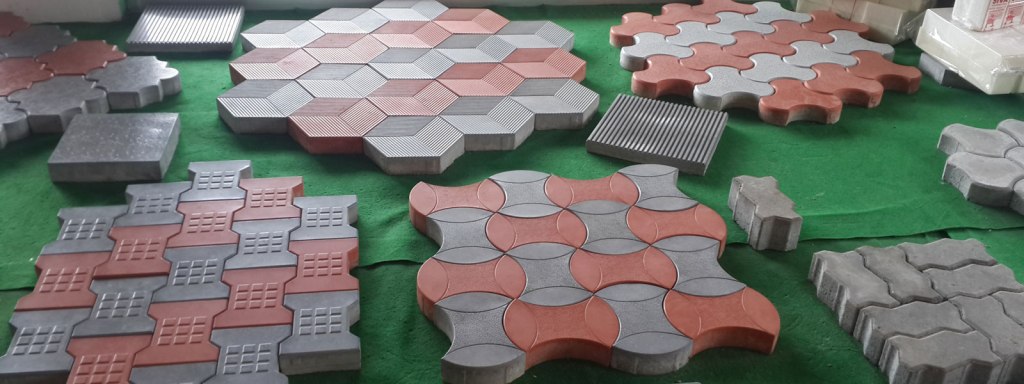
Interlocking pavers are most commonly made from cement or concrete, and tend to simulate the effects of cobblestone pathways. Interlocking pavers blocks connect together through the use of sand, and can cover any patio, decking, driveway or walkway.

It is one of the most popular flexible pavement surfacing options. Paver blocks are used for exterior pavement applications. They are available in various sizes, shapes, colors, and patterns.

interlocking-pavers-.jpg

Raw Materials Used For Manufacturing Paver Block

Raw materials for paver blocks are given below. Its basic Raw material its can be change as per your requirements.

  • Crushed Stone Dust.
  • Stone Aggregate. Size: – 6m to 20mm.
  • OPC Cement.
  • Water.
  • Concrete Admixture Accelerators. ( Optional )
  • Colors (optional).

For making Concrete Paving Blocks You need above given raw materials.

Manufacturing Process of Interlocking Paver Blocks

Mohta Cement Pvt. Ltd. is going to describe how paver blocks produce with good quality of raw material.

The process of manufacturing interlocking paver blocks involves proportioning, Mixing, Compacting, Curing & Drying.

The interlocking blocks are made using a soil block press (SBP) machine that compresses a mixture of sifted soil (the main raw material), water and cement to produce solid building blocks. Cement, which makes up three per cent of the blocks, is mixed with any type of soil (except black cotton soil) and water. The mixture is then compressed to produce interlocking stabilized blocks for building. Then blocks will be placed for curing and drying.

Benefits of interlocking bricks

  • Cost effective
  • Environment friendly
  • Durable and strong
  • Low maintenance
  • Fast construction
  • High strength
  • Customized designs

“Mohta Cement Pvt. Ltd.”, is a well known manufacturerandsupplier of Construction Materials which are made from finest quality.Mohta Cement Pvt. Ltd.” has made several impressive growth & success records in the market due to their commendable product-line, sound facilities and hard efforts of professionals.

If you want to buy Interlocking paver blocks or any other construction materials, you can visit our website here –  www.mohtacement.com

Fly Ash Bricks and Its Advantages | Mohta Cement Pvt. Ltd.

Introduction of Fly Ash Bricks

Fly ash bricks are masonry units that are used in the construction of buildings. They are considered to be a part of good and affordable building materials. They contain Class C fly ash and water.

In another word, it is a building material, specifically masonry units, containing class C or class F fly ash and water. Compressed at 28 MPa and cured for 24 hours in a 66 °C steam bath, then toughened with an air-entrainment agent, the bricks last for more than 100 freeze-thaw cycles.

The Below Materials Mainly Constitute to the Creation of Fly Ash Bricks:

  • Fly ash
  • Cement
  • Sand
  • Water

The fly ash brick is nothing but a slow setting pozzalona cement mix. Usually, it’s the same process when making cement in cement factories whereas the clay and limestone are burnt with coal and gypsum. And it is mixed and ground to cement.

Fly Ash Bricks

Advantages of Fly Ash Bricks

Fly ash bricks are mostly used in building industry. They are used for construction of brick masonry structures. Mainly they act as a replacement for normal clay bricks and have better properties than it. Fly ash brick provide enormous indirect benefits.

Immense Strength: All these fly ash bricks include extensive strength & resilience that is one of the most advantages features. Sometimes, it breaks down the whole process of usage & transportation.

Uniform Size: All bricks are manufactured in uniform sizes. It requires less amount of plaster during the process of construction.

Zero Soaking: There is hardly any requirement to soak these bricks prior to usage.

Easy to Plaster: It is quite easier to POP (Plaster of Paris) directly onto all these fly ash bricks without any extra coating or plastering.

Light Weight: Fly ash bricks are very light in weight.

Fire Resistance: Fly ash bricks are highly fire resistance.

Sound Insulation: Construction with fly ash bricks provide decent sound insulation to the building.

Mohta Cement Pvt. Ltd.”, is a well known Fly Ash Bricks Manufacturer which is made from finest quality. “Mohta Cement Pvt. Ltd.” has made several impressive growth & success records in the market due to their commendable product-line, sound facilities and hard efforts of professionals.

Review or buy good quality fly ash bricks online, visit us now : www.mohtacement.com

Types of Cement Manufacturing by Mohta Cement Pvt. Ltd.

What is Cement?

Cement is a binder, an element used for construction that sets, hardens, and adheres to other materials to bind them together. It is commonly made of limestone, clay, shells, and silica sand, with limestone being the most prevalent ingredient. These materials are crushed and combined with other ingredients (including iron ore), and then heated to about 2,700 F. This material, called clinker, is ground into a fine powder and packaged to use for mixing various cementitious building materials.

Types f Cement Manufacturing by Mohta Cement Pvt. Ltd

Mohta Cement Pvt. Ltd is one of the leading manufacturer and supplier of OPC Cement and PPC Cement.

 (OPC) Ordinary Portland cement: –

Cement is prepared by heating limestone with small quantities of other materials (such as clay shells, silica and sand) to 1450°C in a kiln. The resulting hard substance, called ‘clinker’, is then ground with a small amount of gypsum into a powder to make ‘cement’ the most commonly used type of cement. This cement is called Ordinary Portland Cement.

It is the most common cement used in general concrete construction when there is no exposure to sulphates in the soil or groundwater.OPC is the most common type of cement in general use around the world, used as a basic ingredient of concrete, mortar, stucco, and most non-specialty grout.

  • OPC is environment friendly as well as economical.
  • The 43 grade OPC is the most popular general-purpose cement in India. The OPC can be used for following applications:
  • General Civil Engineering construction work.
  • RCC works (preferably where grade of concrete is up to M-30)
  • Pre-cast items such as blocks, tiles, pipes etc
  • Asbestos products such as sheets and pipes
  • Non-structural works such as plastering, flooring etc.

Portland Pozzolana Cement (PPC)

The Portland Pozzolana Cement is a kind of Blended Cement which is produced by either intergrinding of OPC clinker along with gypsum and pozzolanic materials in certain proportions or grinding the OPC clinker, gypsum and Pozzolanic materials separately and thoroughly blending them in certain proportions.

Portland Pozzolana Cement also commonly known as PPC cement. These types of cement are manufactured by using pozzolanic materials as one of the main ingredient. The percentage of pozzolanic material used in the preparation should be between 10 to 30. If the percentage is exceeded, the strength of cement is reduced.

The Pozzolanic Materials Commonly Used Are:

  • Volcanic ash
  • Calcined clay
  • Fly ash
  • Lica fumes

Features:

  • Unmatched performance
  • Superior quality
  • Efficient functionality
  • Reasonable price

Mohta Cement Pvt. Ltd. is one of the reputed industry engaged in offering OPC and PPC cement in the market. To manufacture these products, experienced professionals make sure to follow the quality assured standards of the industry and use best grade quality raw material. Also, these products are rigorously checked on different norms of quality, before the final delivery to the clients.

 Mohta Cement Pvt. Ltd. is a best manufacturer and supplier of OPC and PPC cement. For more details of these cement and want to buy online cement you can visit our site here – www.mohtacement.com
Mohta Cement Pvt. Ltd. – AAC Blocks Manufacturer

What is Autoclaved Aerated Concrete Blocks?

Autoclaved Aerated Concrete (AAC) is a kind of precast concrete, made from all natural ingredients to achieve high efficiency and excellent performance benefits. AAC is a Lightweight, Load-bearing, High-insulating, Durable building product, which produced in a wide range of sizes and strengths. AAC blocks are three times lighter as compare to the red bricks.

Lightweight precast concrete containing air bubbles throughout the material, which in autoclaved aerated concrete block, to obtain a low density of lightweight materials in an autoclave oven.

AAC blocks.jpg

Properties of Autoclaved Aerated Concrete

Autoclaved Aerated concrete block, solid block of lightweight associated with the adhesive, has been reinforced with additional steel strength. AAC has a very high insulation value ensures excellent sound insulation barrier, for this reason, they are used in the construction of the above type. Extra large solid rectangular prism, the precast autoclaved aerated concrete wall laid with a mortar with a thin layer, there has been autoclaved. Installed units shall be protected from direct exposure to moisture by using a coating material.

Features of AAC Blocks

1) Light Weight:

AAC is lighter than traditional bricks and hence reduces a dead load of building thereby saving on cost.

2) Earthquake Resistant:

Earthquake forces on structure are proportional to the weight of the building, hence light weight blocks show excellent resistance to earthquake forces. Regions with high seismic activities like Japan use lightweight concrete blocks.

3) Fire Resistant:

Its unique cellular structure provides for excellent fire rating. Due to this cellular structure, AAC Blocks do not disintegrate, even in a fire.

4) High Strength:

High pressure steam-curing autoclaving process gives AAC Blocks unmatchable strength to weight ratio, higher than even M 150 Concrete and far exceeds the Indian Building code requirements.

5) Thermally Insulated:

Highest thermal rating in the Industry R30! Its cellular structure provides well insulated interiors, keeping warm air in summers and cold airs in winters.

6) Water Resistant:

Microscopic structure of AAC Blocks does not allow for capillary action making it impervious to water. Its water barrier properties are further enhanced by adding silicone based additives.

Mohta Cement Pvt. Ltd. is leading manufacturer and supplier of Lightweight AAC Block, that is well known as an environmentally friendly construction material. The finished product is twice the volume of the raw materials used, making it extremely resource-efficient and environmentally friendly.

If you want to buy AAC block, or want to know more about our products you can visit our website here – www.mohtacement.com
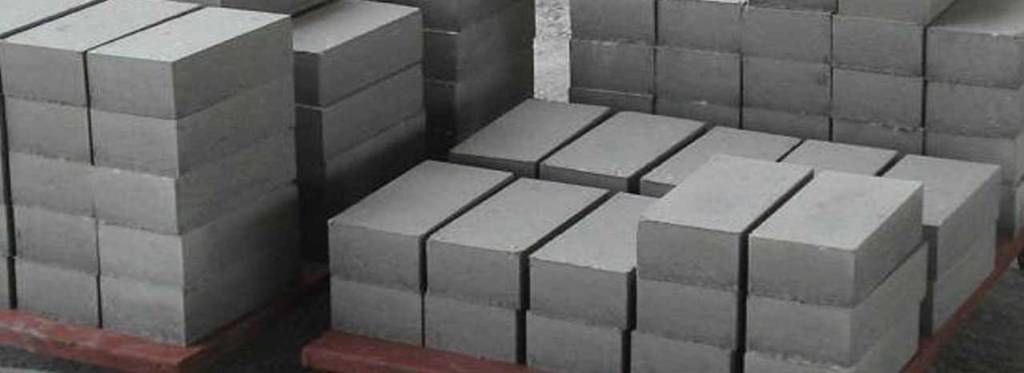
Mohta Cement Pvt. Ltd. – Concrete Block Manufacurer

What is Concrete?

Concrete is one among the foremost used construction materials within the world today.

Concrete may be a mixture of cement, usually hydraulic cement, coarse and fine aggregates (think in fact as gravel and fine as sand, though other materials could also be used). When cement is mixed with water and therefore the appropriate aggregates, it becomes plastic (fluid), and it’s placed in forms (molds) to make the form the user is building. Hydration, a reaction between the dry components of the cement and water causes the concrete to line up, or harden into a stone like material that’s the inspiration (literally) of the development industry today.

What is Concrete Block?

A concrete block is primarily used as a building material in the construction of walls. It is also called a concrete masonry unit. A concrete block is one of several precast concrete products used in construction.

Concert Blocks are lightweight generally it is used in high rise building to reduce structural load. Concrete blocks are easy to handle compare to red clay bricks; they are larger in dimension and superior in quality and most importantly save in time and cost.

Concert blocks are easy to cut as the concert block surfaces are very smooth wall putty can be directly applying on the surface of the inner wall of the house to give it the perfect finish before painting.

Concert blocks are having become famous and extensively used in construction today’s.

  • Concert blocks are more Eco- Friendly compared to traditional bricks
  • Concrete blocks exhibit better quality than burnt clay bricks
  • Construction of masonry with blocks will be faster

Concert blocks are produced by concrete block making machines, high-quality concrete block making machine will produce high-quality concrete blocks. There are different types of machines that produce concrete blocks.

Advantages of concrete Block

1. Strength and durability 

Concrete blocks are strong, and they can stand the test of time. According to the World Business Council for Sustainable Development’s Cement Sustainability Initiative, concrete gets stronger over time and is not weakened by moisture, pests, or mold.

2. It provides a natural level of fire resistance

If you have ever seen the aftermath of a devastating fire where a single home stands alone in the ashes of others, then there is an excellent chance it was built using concrete blocks. Although the wooden components of the structure, such as the roof, will ignite during a blaze, the walls will only receive a scorching. That’s because cement isn’t flammable by itself.

3. Locally manufactured 

Concrete blocks are almost always manufactured and sold locally due to the high costs associated with transporting heavy materials.

4. Insulating properties 

Concrete blocks are known for their insulating properties. Concrete blocks excel at keeping outside temperatures from entering the home, often resulting in lower energy costs. These insulating properties vary by manufacturer and depend on the block’s density. Hollow concrete blocks can be filled with insulation during construction if desired.

5. Custom colors and finishes 

Today, concrete building blocks can be custom ordered to best meet your project’s requirements. Not only can you specify the color and finish, concrete blocks can be made in various shapes and sizes.

6. It is an effective way to create a low-maintenance home in a  high-moisture location.

Concrete block homes are quite common in areas that receive high levels of precipitation throughout the year. The material doesn’t attract mold or mildew like a wooden frame does when it remains wet for an extended time, which means there is a lower risk of experiencing structural damage over time.

Mohta Cement Pvt. Ltd.”, is a well known concrete blocks which are made from finest quality.Mohta Cement Pvt. Ltd.” has made several impressive growth & success records in the market due to their commendable product-line, sound facilities and hard efforts of professionals.

If you want to buy Concrete block, or want to know more about our products you can visit our website here – www.mohtacement.com

Bricks Manufacturing Process by Mohta Cement Pvt. Ltd.

A brick is a man-made building material used to make walls and make places to walk. Or it is a rectangular blocks of baked clay used for building walls, which are usually red or brown.

Traditionally, the term brick referred to a unit composed of clay, but it is now used to denote rectangular units made of clay-bearing soil, sand, and lime, or concrete materials. To know the manufacturing process of Bricks, Mohta Cement Pvt. Ltd. going to describe how bricks produce and which type of qualities should be in bricks. 

How Bricks are manufactured?

Manufacturing of bricks consists of the following 4 operations or steps.

  • Preparation of brick clay or brick earth
  • Moulding of bricks
  • Air drying of bricks
  • Burning of bricks

1. Preparation of Brick Material

Soil has to be excavated first and then laid out on a leveled ground. This soil has to be separated from impurities like stones, gravel, vegetation, etc. It is then exposed outside for a few months. This is known as weathering. After weathering, the soil is mixed with other components to make it durable for brick use. The clumps in this mixture are then broken up, kneaded and watered. This is called tempering.

2. Brick Moulding

Brick Moulding is done in two ways:

  • Hand Moulding
  • Machine Moulding

In hand moulding, the tempered soil which is now known as clay is etched into a mould such that it fits every nook and corner. Any extra clay is removed using a wooden frame or wire. After completion, the clay is taken out of the mould.

Machine moulding can be done in two ways. Either using a Plastic Clay machine or a Dry Clay machine.

With a plastic clay machine, the clay is etched into rectangular openings that are equal to the length and breadth of a brick and then cut into the thickness of a regular sized brick using wires or a frame.

With dry clay machines, the clay is reduced to a powder like form which is filled in the mould and subjected to high pressure which causes it to form into hard bricks.

3. Drying of Bricks

Bricks are usually laid out for 1-2 weeks for drying. It is important to remove maximum amount of moisture to save fuel and energy before burning the bricks(next stage).They are dried out till only 5–7% of moisture content is left.

Damp bricks are also more likely to crack if they are subjected to heat directly.

4. Brick Burning

This can be done in two ways: Kiln burning and Clamp burning.

A kiln is like an oven that produces high temperatures suitable for hardening and drying materials. Moulded clay is placed in the kiln and slowly dried at extremely high temperatures. This process is done using continuous and intermittent kilns.

Clamp burning is a method where unbaked bricks are stacked in a pit along with fuel, firewood, coal, etc and sealed with clay. This is then fired in a slow process that takes a few days.

Mohta Cement Pvt. Ltd.”, is a well known Bricks Manufacturer which is made from finest quality. “Mohta Cement Pvt. Ltd.” has made several impressive growth & success records in the market due to their commendable product-line, sound facilities and hard efforts of professionals.

If you want to buy quality bricks, or want to know more about our products you can visit our website at – www.mohtacement.com

Design a site like this with WordPress.com
Get started